

Children + Teens
As a parent, you may notice how hard your child is trying—while also seeing just how overwhelmed they can become.
You might see the meltdowns after school, the shutdowns at bedtime, the frustration over homework, or the sudden tears that seem to come out of nowhere. Underneath those moments are nervous systems that are still learning how to regulate, express, and make sense of big feelings.
School pressures, social dynamics, sibling conflict, and changing family roles can pile up quickly. Some kids worry about fitting in. Some feel intense frustration when things don’t go as planned. Others seem fine on the outside but carry anxiety, sadness, or self-doubt that’s harder to spot. Kids and teens need steady support, patience, and safe spaces where they can untangle their feelings, build confidence, and grow into who they’re becoming.
Common Experiences
Difficulties with relationships
Acting out behaviors
Fight/Flight/Freeze/Flop/Fawn response
Struggles with transitions
Emotional dysregulation
Low self-esteem/body image issues

How We Can Help
-
Children and teens don’t have a lot of control, a big factor in behavioral issues, so we look for areas to empower and give your child a sense of agency and a voice (one that’s assertive and communicative, not just sarcastic).
-
In the age of TikTok, Instagram, and social media in general, it’s impossible to find a kid or teen who isn’t effected by all the impossible standards of body image, perfectionism, and success thrown out there. We will work to help your child find their own sense of self and embrace their unique characteristics and personality.
-
We will explore what sensory needs your child has, figuring out the basics from eating, hydrating, sleeping down to how they ground themselves and engage in mindfulness and do daily practices.
-
We want your child to form healthy relationships as an adult, so we understand the importance of promoting empathy, compassion, gratitude and kindness to build and maintain healthy attachments.
-
We support attunement, healthy attachment, and co-regulation strategies for children as young as 2 when parents are motivated to do the work and invested in their child’s progress.
We aren’t a “just fix my kid” type of practice, we value changes that can be sustainable long after they come to therapy and that starts with the parents getting support and tools.
-

Developmentally Focused
Assessing and working with the actual emotional age to create realistic goals that are attainable regardless of the chronological age. We understand the importance of involving the family in the process of understanding their child’s needs and see the parents/caregivers as the experts who can collaborate with us to help their child thrive.
-
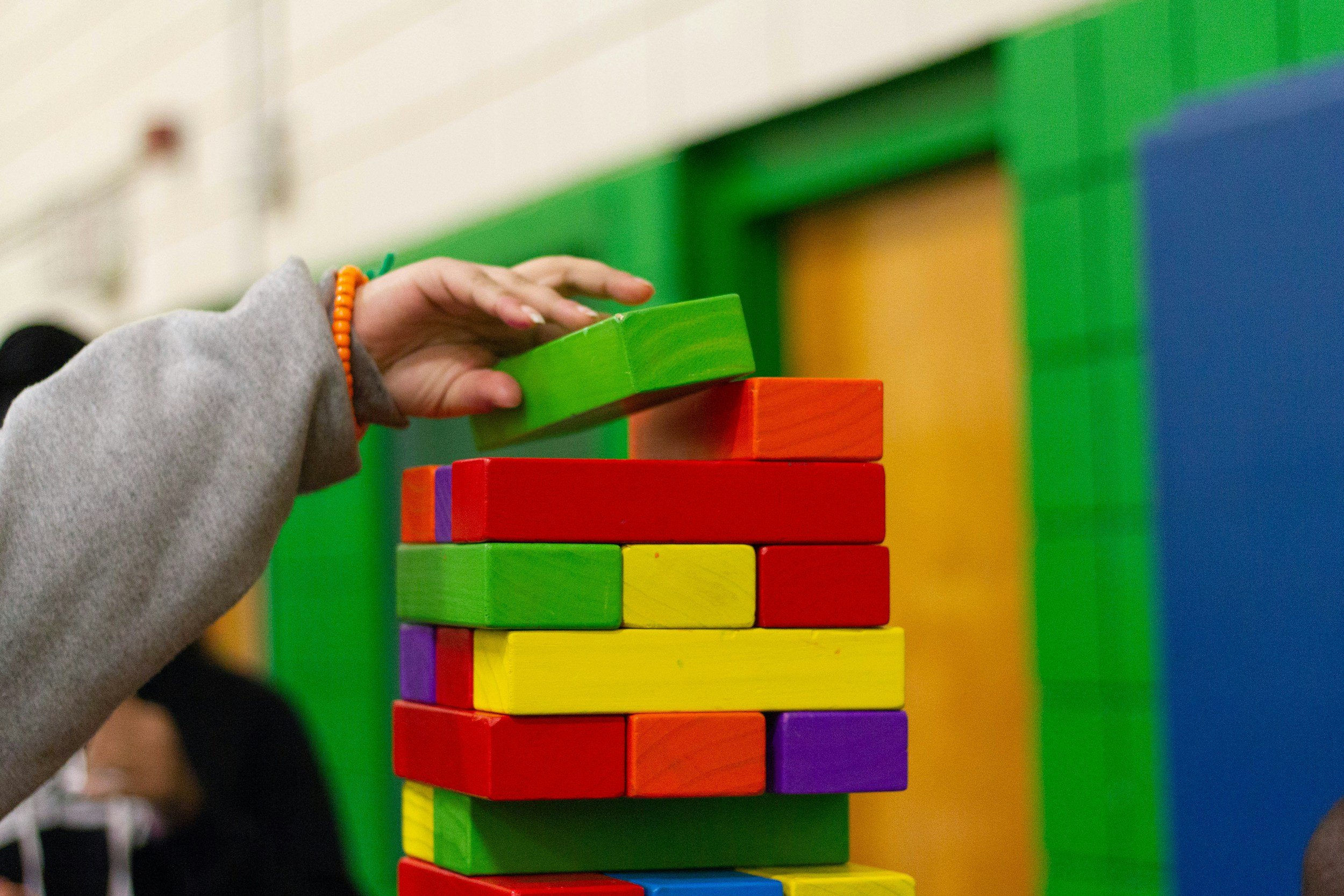
Play Therapy
Through Sand Tray, play therapy, art therapy and other creative outlets including AutPlay, we rely on hands-on learning and playing to explore emotions, thoughts, and reactions. Whether in person or telehealth, we find strategies to engage children in a sensory-friendly manner that utilizes all parts of the brain.
-

Behavioral Strategies
We do not do ABA practices but do pull from behavioral interventions such as modeling, role playing, social skills training, and redirecting and shaping behaviors. We modify Cognitive Behavioral Therapy to recognize that some of the thoughts are rational and do not always need to be replaced or challenged.

Get in Touch
We’d love to help you take the next step!
Schedule an initial appointment to get started.